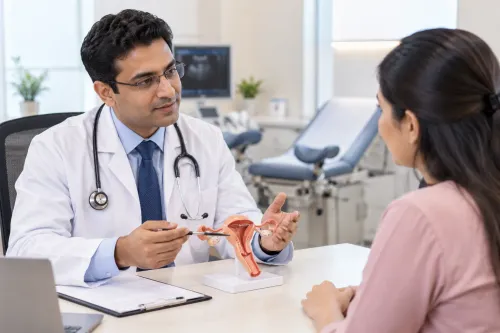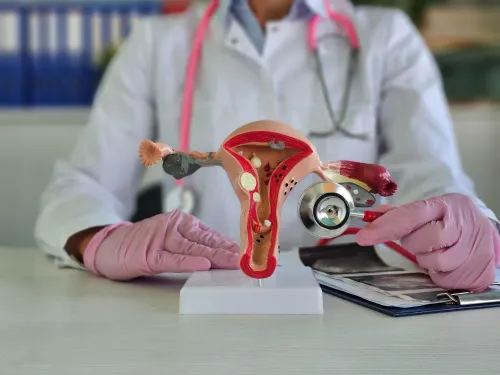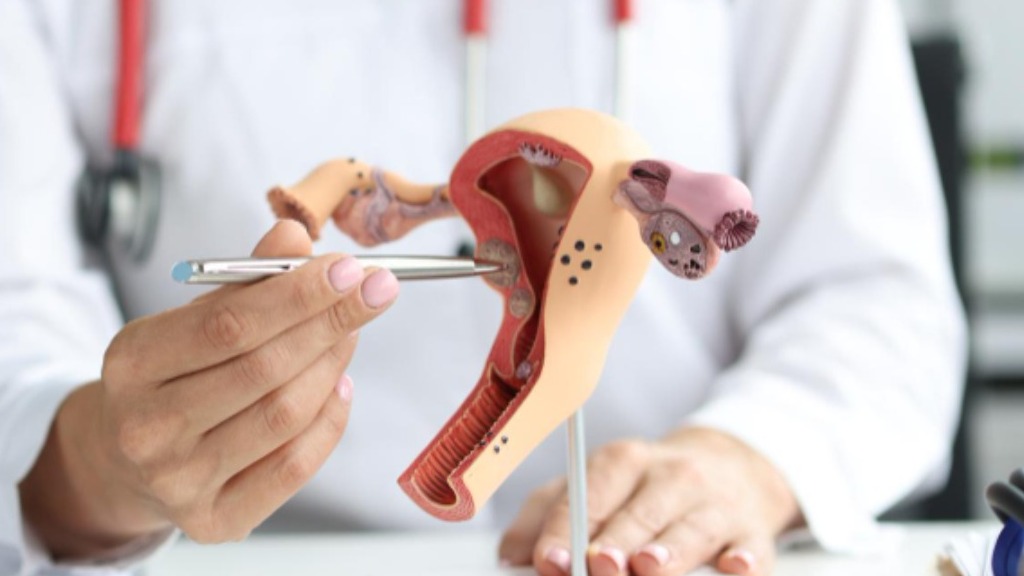
Fibroids are common, but their impact varies greatly. One woman may have several fibroids without significant symptoms, while another may experience heavy bleeding, anemia, pelvic pressure, fertility concerns, or pain from a single strategically located fibroid.
Searching for Fibroid Treatment Doctors becomes particularly relevant when symptoms begin interfering with health or everyday activities.
Heavy Bleeding Deserves Attention
Heavy periods are one of the most common reasons women with fibroids seek treatment.
Possible warning signs include frequently soaking menstrual products, passing large clots, prolonged bleeding, waking repeatedly at night to manage menstrual flow, plus feeling exhausted during or after periods.
Chronic blood loss can contribute to iron-deficiency anemia.
Symptoms such as unusual tiredness, weakness, dizziness, palpitations, or shortness of breath deserve medical assessment rather than simply being accepted as part of menstruation.
Pressure Symptoms Can Be Significant
Fibroids can sometimes create pelvic pressure depending on their size plus location.
Women may notice abdominal fullness, pressure on the bladder, frequent urination, constipation, pelvic discomfort, or a feeling of heaviness.
These symptoms are not specific to fibroids, so examination plus imaging may be needed before attributing them to a known uterine growth.
Fertility Concerns Need Broader Assessment
Certain fibroids can affect the uterine cavity or interfere with reproductive function, but fibroids are not responsible for every fertility problem.
Couples experiencing difficulty conceiving may require evaluation of several factors.
For women, this can include ovulation, ovarian reserve where appropriate, fallopian tube factors, uterine anatomy, plus age-related considerations. Male partner evaluation may also be relevant.
A specialist can then assess whether a particular fibroid is likely to influence fertility significantly enough to justify treatment.
Treatment Should Match The Fibroid Pattern
There is no single best fibroid treatment for every patient.
Depending on clinical findings, management may involve:
- Observation
- Medication for symptom control
- Hysteroscopic treatment
- Laparoscopic myomectomy
- Open myomectomy
- Hysterectomy in selected circumstances
- Other suitable interventions following specialist assessment
A recommendation should account for symptoms, fibroid location, size, number, age, reproductive plans, medical history, plus previous treatment.
When To Arrange Specialist Review
Women in Thane, Maharashtra, should consider gynecological assessment when menstrual bleeding becomes difficult to manage, pelvic pressure persists, anemia develops, symptoms worsen, pregnancy planning raises concerns, or previous treatment has not provided adequate relief.
Jijai Womens Hospital Thane provides gynecological evaluation for women with fibroid-related concerns, including assessment for conservative management plus surgical options where clinically appropriate.
A fibroid diagnosis should lead to informed assessment rather than automatic surgery. Understanding which fibroids are causing problems, what happens if they are monitored, plus how each treatment could affect future reproductive plans allows women to participate more confidently in their care.
Keywords